As Democrats celebrated midterm wins in Republican strongholds like Texas and Kansas, parts of the internet began to sound a lot like the Obama years. Users shared Hamilton clips, played “We Are Young,” shared jokes and memes, and celebrated the “blue tsunami.” Alongside the reactions came the question: Was millennial optimism back?
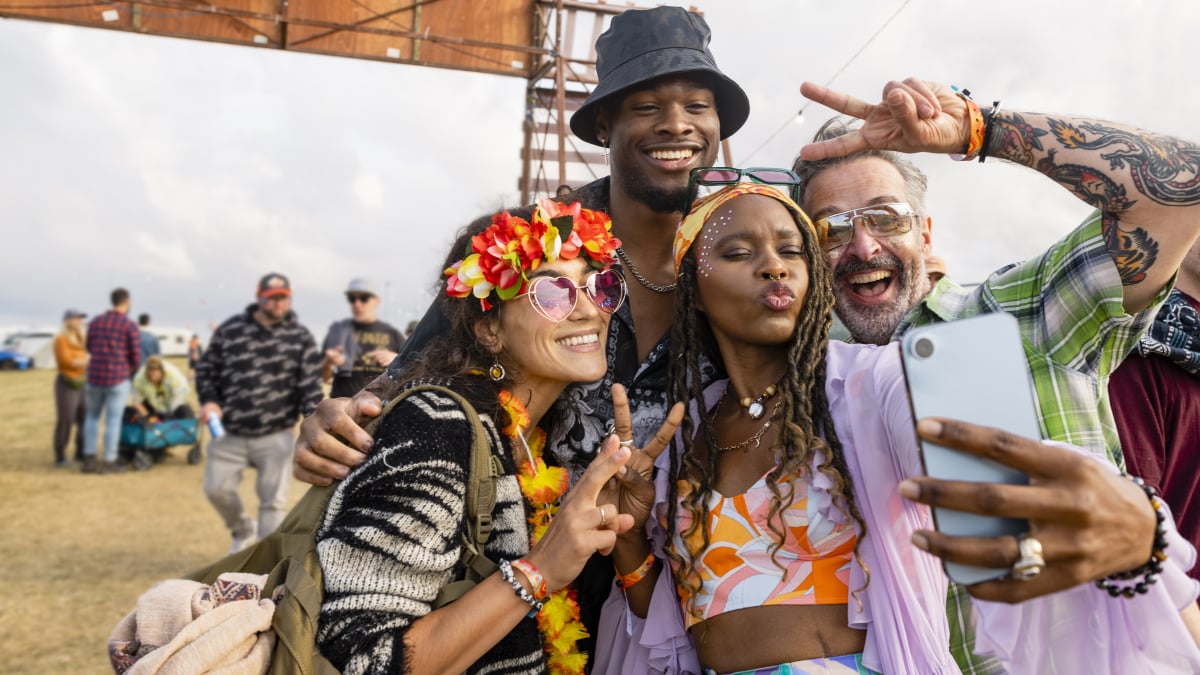
The phrase had already been circulating on TikTok well before election night. Over the past year, users on social media have been sharing nostalgic photos and videos of the late 2000s and early 2010s, often set to the Middle East’s song “Blood,” released 2009. Think Apple Photo Booth selfies, mustache accessories, statement necklaces, flower crowns, and the Lumineers playing through wired earbuds.
This Tweet is currently unavailable. It might be loading or has been removed.
But the appeal extends beyond the accessories and playlists, though. Younger people are drawn to the hopeful outlook they associated with the era. For those who experienced those years as children, the videos offer an imagined version of young adulthood shaped by Obama-era promises of change and an internet remembered as more personal and less governed by algorithms. As one X user put it, “I think millennial optimism invokes a particularly upsetting empty sense of loss in older Gen Zs bc it was so aspirational to us… like we saw it in real time but weren’t quite old enough to Be There, but it felt like a promised future that never came.”
This Tweet is currently unavailable. It might be loading or has been removed.
This Tweet is currently unavailable. It might be loading or has been removed.
This Tweet is currently unavailable. It might be loading or has been removed.
Together, those references give a recognizable shape to the feeling behind “millennial optimism” content that can otherwise be difficult to describe. These videos evoke the expectation that good experiences lie ahead and that there are people to share them with. For younger users who were children during that period, the trend offers an imagined version of what entering adulthood might have felt like then.
After Democrats won control of the House and Senate on Nov. 3, that nostalgia has taken on a new meaning. For some people celebrating the results, the optimism they had been looking back on suddenly feels within reach.
Mashable Trend Report
This Tweet is currently unavailable. It might be loading or has been removed.
This Tweet is currently unavailable. It might be loading or has been removed.
This Tweet is currently unavailable. It might be loading or has been removed.
“Listening to millennial optimism music and repeating ‘blue wave’ over and over again,” wrote one user. “Waking up to a blue Texas, I’m in tears; I can feel the millennial optimism coming,” wrote another.
For some, the next step was turning up the volume. X user @sassykathy666 shared a video described as a post-election club celebration in Austin, with “We Are Young” playing in the background. “Millennial optimism up 10000000%,” wrote another user while sharing the clip. They aren’t completely wrong about the numbers; “millennial optimism” is a breakout search term on Google, up 5,000 percent.
This Tweet is currently unavailable. It might be loading or has been removed.
This Tweet is currently unavailable. It might be loading or has been removed.
This Tweet is currently unavailable. It might be loading or has been removed.
Others dusted off the Hamilton soundtrack. “We’re having Lin-Manuel Miranda write a new national anthem tomorrow,” joked one user. “They just downloaded the Hamilton soundtrack to everyone’s iPhones,” wrote another. (The musical opened on Broadway during Obama’s second term.)
This Tweet is currently unavailable. It might be loading or has been removed.
This Tweet is currently unavailable. It might be loading or has been removed.
This Tweet is currently unavailable. It might be loading or has been removed.
Why stop there? “They’re gonna bring BuzzFeed back,” wrote one user. BuzzFeed joined in with a “wait, give us a sec, changing our color scheme to blue.” Sharing the exchange, another user added, “I can feel the millennial optimism starting.”
This Tweet is currently unavailable. It might be loading or has been removed.
Of course, the years being remembered weren’t uniformly hopeful. Millennials were also navigating the aftermath of the financial crisis, student debt, and an uncertain job market.
Still, the response to the midterms suggests why that feeling is worth revisiting. For those celebrating, the results offer a reason to believe their participation can help move things forward. What comes next will depend on how that energy carries beyond election night.
Topics
Social Media
Politics