Key Takeaways
- Trump threatened on July 22 to bomb Tehran infrastructure if ship attacks continue.
- Strait of Hormuz disruptions pushed Brent crude above $94, straining the European and U.S. economy.
- The Pentagon faces readiness questions after spending $37.5 billion without a truce.
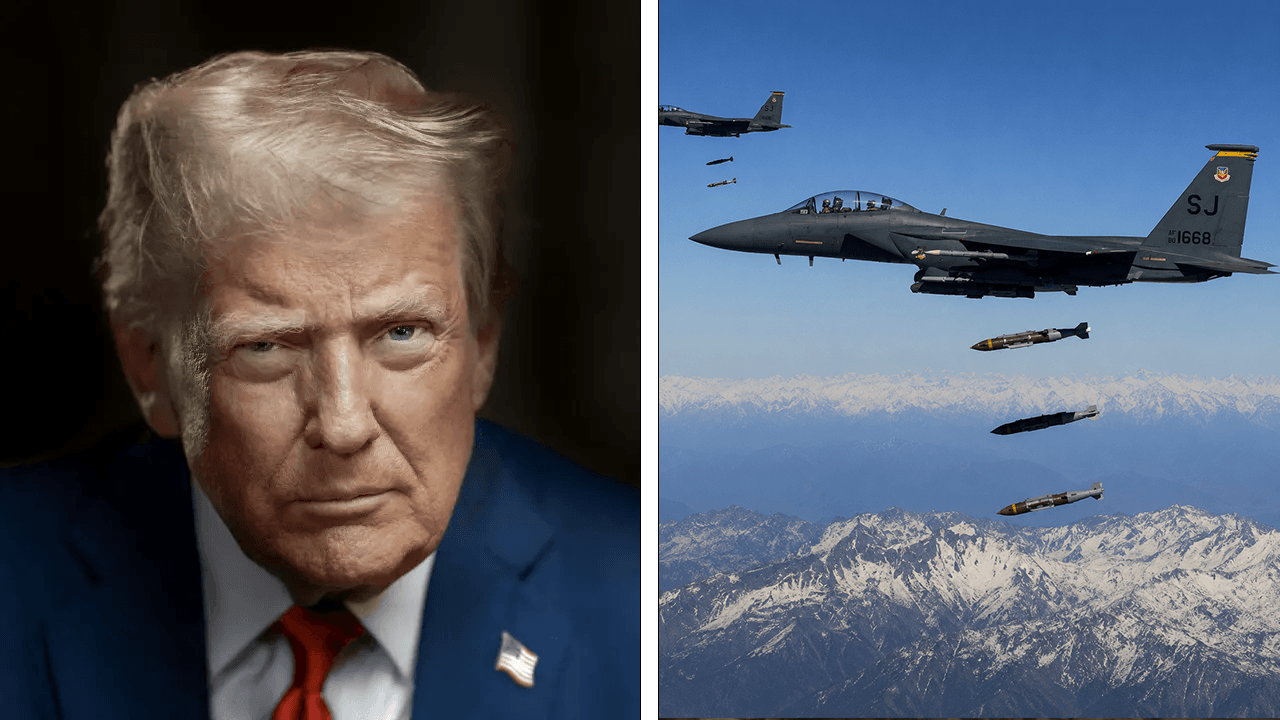
The U.S. President’s July 22 statement marks a significant escalation in the rhetoric of the 2026 Iran war. Trump specified his terms clearly, writing, “From this point forward, any time the Islamic Republic of Iran shoots at a ship in the Strait of Hormuz … the United States will bomb and destroy ONE BRIDGE OR POWER PLANT, including those located next to, or in, the Capital City of Tehran.”
This aggressive posture followed an 11th consecutive night of U.S. airstrikes aimed at degrading Iranian capabilities used against commercial vessels. It also arrives as Washington attempts to manage a conflict that has dragged on for nearly five months, costing billions of dollars and exposing limitations in American strategic deterrence.
A Complicated Strategic Reality
Despite the Trump administration portraying the ongoing military operations as successful, independent assessments reveal a much more complex picture. The war officially began on Feb. 28, 2026, with an intensive wave of joint U.S. and Israeli airstrikes codenamed Operation Epic Fury and Operation Roaring Lion, respectively. Those opening maneuvers inflicted heavy damage on Iranian air defenses and leadership, notably killing Supreme Leader Ali Khamenei, but they failed to secure decisive strategic control.
Instead, the Islamic Republic retained continuity of governance under successor Mojtaba Khamenei and maintained residual capabilities sufficient to paralyze roughly 20 percent of global seaborne oil trade. By restricting traffic through the Strait of Hormuz using asymmetric tactics like mines and coastal defenses, Tehran has forced repeated global energy shocks. Brent crude oil prices spiked above $94 per barrel in late July, pushing U.S. gasoline prices higher and prompting organizations like the OECD to warn of potential stagflation in energy-importing economies.
The financial and human toll of the conflict continues to mount for the United States. Defense Secretary Pete Hegseth recently testified before Congress that the military has expended $37.5 billion so far, with requests for tens of billions more. Independent trackers like iran-cost-ticker.com suggest cumulative initial costs already exceed $100 billion by June 16. Furthermore, at least 19 American service members and one contractor have been killed, with hundreds more wounded across the region.
The Collapse of Ceasefire Agreements
Diplomatic efforts have repeatedly crumbled under the pressure of mutual distrust and unmet demands. A fragile memorandum of understanding signed between June 14 and June 17 promised temporary safe passage for ships, reduced U.S. regional forces, and a 60-day window for negotiations. That arrangement, which followed earlier failed talks in Islamabad involving Vice President JD Vance, collapsed in early July. Iranian forces fired on commercial vessels bypassing approved routes, prompting Trump to declare the truce void.
Secretary of State Marco Rubio maintains that Washington remains open to diplomatic channels if Iran meets specific conditions. However, the renewed hostilities show neither side is currently willing to finalize a stable resolution. Iran demands recognition of its authority over Strait management, a condition the United States fundamentally rejects.
Vulnerabilities and Waning Public Support
Expanding the retaliatory framework to include dual-use infrastructure like bridges and power plants raises immediate legal and operational questions. The laws of armed conflict impose strict rules of distinction and proportionality. Striking civilian power grids to deter maritime harassment risks drawing severe retaliatory strikes against U.S. or partner assets from Iran or allied proxy groups such as Hezbollah and the Houthis.
Military analysts, including researchers at the Brookings Institution, note that the conflict exposes modern vulnerabilities in American power projection. Even while sustaining massive conventional losses, Iran has successfully imposed meaningful attrition on U.S. forces. Forward-deployed U.S. forces no longer enjoy the absolute sanctuary previously assumed, and the intensive consumption of air-defense interceptors raises concerns about long-term military readiness.
Domestic support for the war is actively waning. Polling data from organizations such as Pew, Ipsos, and the University of Maryland indicate that majorities of the American public view the initial decision to go to war as a mistake. Concerns over open-ended commitments, American casualties, and surging consumer costs are dominating congressional debates over funding and War Powers measures.
In a note shared with Bitcoin.com News, following Trump’s Truth Social statement, the Council on American-Islamic Relations (CAIR), the nation’s largest Muslim civil rights and advocacy organization, called on the Senate to pass the bipartisan War Powers Resolution (H. Con. Res. 86). The resolution basically tells the President he must pull U.S. troops out of the fighting with Iran unless Congress officially votes to approve the war.
“It is long past time for the Senate to join the House in voting to end this illegal war by supporting the Iran War Powers Act,” CAIR Government Affairs Director Robert McCaw remarked in a statement.
Ultimately, the latest threat from the president shows a stark geopolitical reality. While the U.S. military can destroy targets at will, it has not neutralized Tehran’s most effective tools of coercion, leaving the Strait of Hormuz as a highly volatile and unresolved flashpoint.